
28 September 2025 Sunday
 News
News
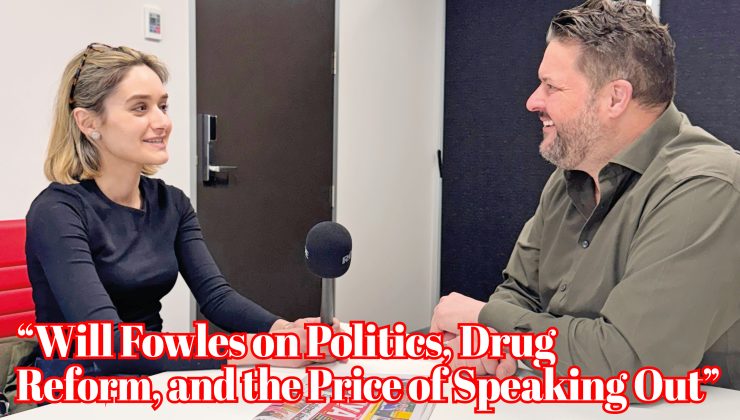
Dilan: Coming from a well-off family of business owners, why get into politics when you could be doing anything else?
Mr. Fowles: I’ve always felt a sense of obligation to give back, especially given the fortunate circumstances I was born into. And for me, politics ultimately became the way to do that.
Dilan: You’ve experienced both party politics and being an independent member of parliament. What have been some of the challenges or downsides of being an independent politician compared to working within a party structure?
Mr. Fowles: Being independent is quite different, it’s undeniably freeing. I’m able to vote according to my conscience on every issue debated in parliament. On the downside, I miss some of the teamwork that goes on within a party.
Dilan: Since being elected for Ringwood, what has been your focus?
Mr. Fowles: I’m proud of the advocacy that we’ve done regarding housing. It’s not just an economic issue; it’s a social issue. We need to secure people into long term safe accommodation.
The Specialist Homelessness Services Annual Report 2023–24 found that the key demographics experiencing problematic drug and/or alcohol use were predominantly Victorian males who were also facing homelessness. A high proportion of these clients were First Nations people.
Dilan: Would you agree that the media has sensationalised crime?
Mr. Fowles: Firstly, it’s important to distinguish between petty crimes and more serious offences. Data shows that Victoria is safer now than it was 20 years ago but the use of smartphones has led to increased recording of crime.
Dilan: You’ve been open about your personal struggle with substance abuse. Based on your experience, how can the government better approach this issue as a health matter rather than a criminal one?
Mr. Fowles: There’s an important debate we need to have around decriminalisation. As a society, we need to be mature enough to recognise that jailing people for recreational drug use isn’t an effective use of resources. Some drugs are highly physically addictive, while others have far less risks. So, we need to take a mature approach in assessing those differences. We must let the scientific evidence drive the outcome.
According to the 2022–2023 National Drug Strategy Household Survey (NDSHS) conducted by the Australian Institute of Health and Welfare, illicit drug use remains prevalent in Australia, with 47% of people aged 14 and over reporting lifetime use. While these rates have remained stable since 2019, they have increased since 2007.
Dilan:Substance abuse is often associated with homelessness, so I hope that seeing someone like you openly face this challenge can help reduce stigma and encourage nuanced conversations around this issue.
Mr. Fowles: I’ve been open about my struggles from the beginning. I struggled with the transition into public life and started drinking a lot. But I was fortunate enough to get the help I needed and make the necessary changes in my life. Unfortunately, not everyone has access to those resources that I had access to.
Dilan: Mental health has become a significant issue in our country, with men making up a large proportion of those numbers. Do you have any criticisms of how the government is addressing this issue?
Mr. Fowles: I think the Government has done great work in regards to mental health. What we are seeing though is that some of the monetary budget pressures are starting to affect the delivery of the government’s mental health plan services.
Nearly half of all Australians aged 16 to 85 have experienced a mental disorder at some point in their lives, according to the Australian Bureau of Statistics.
 News
News
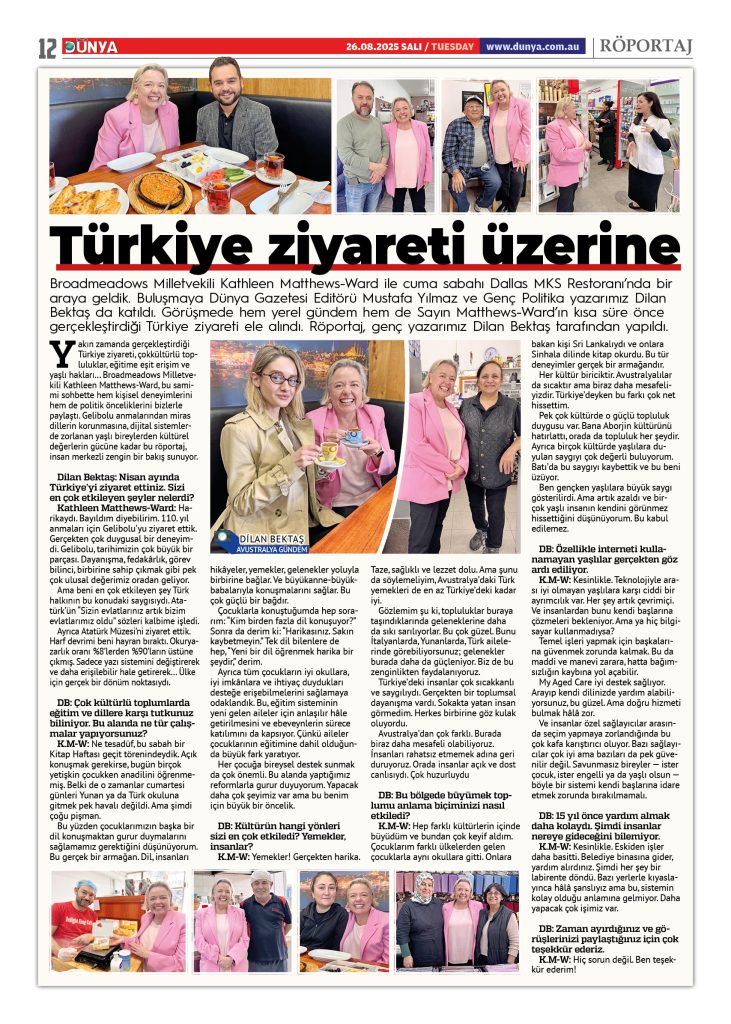
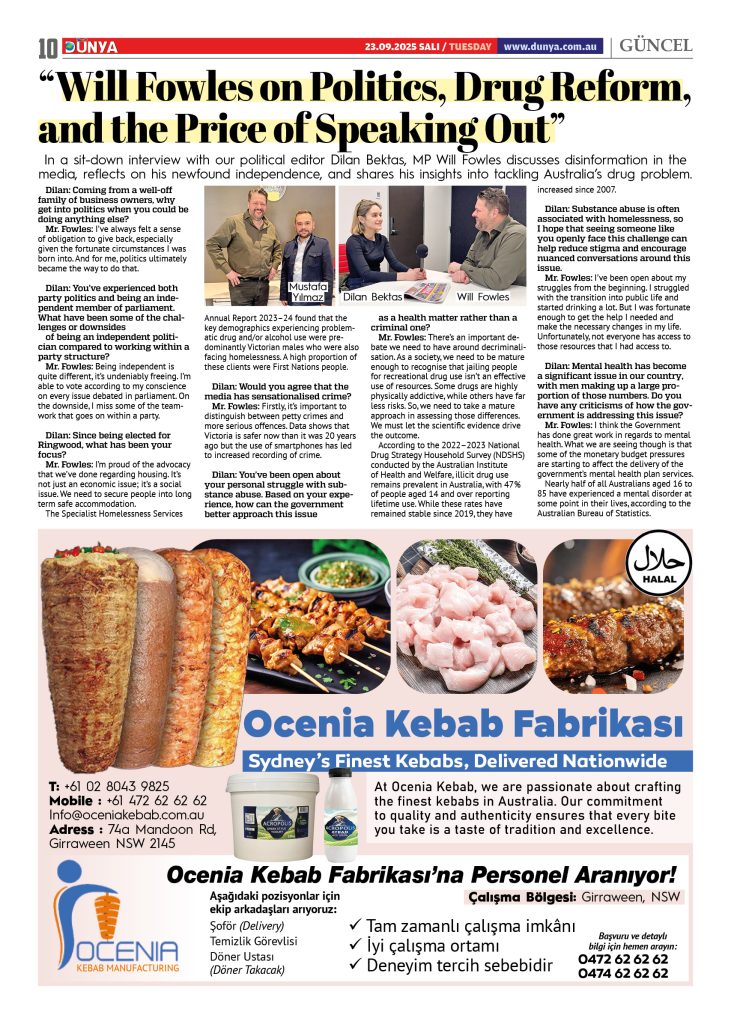
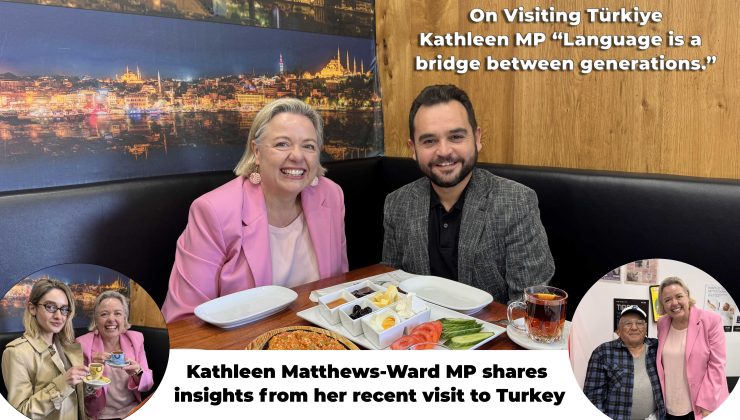
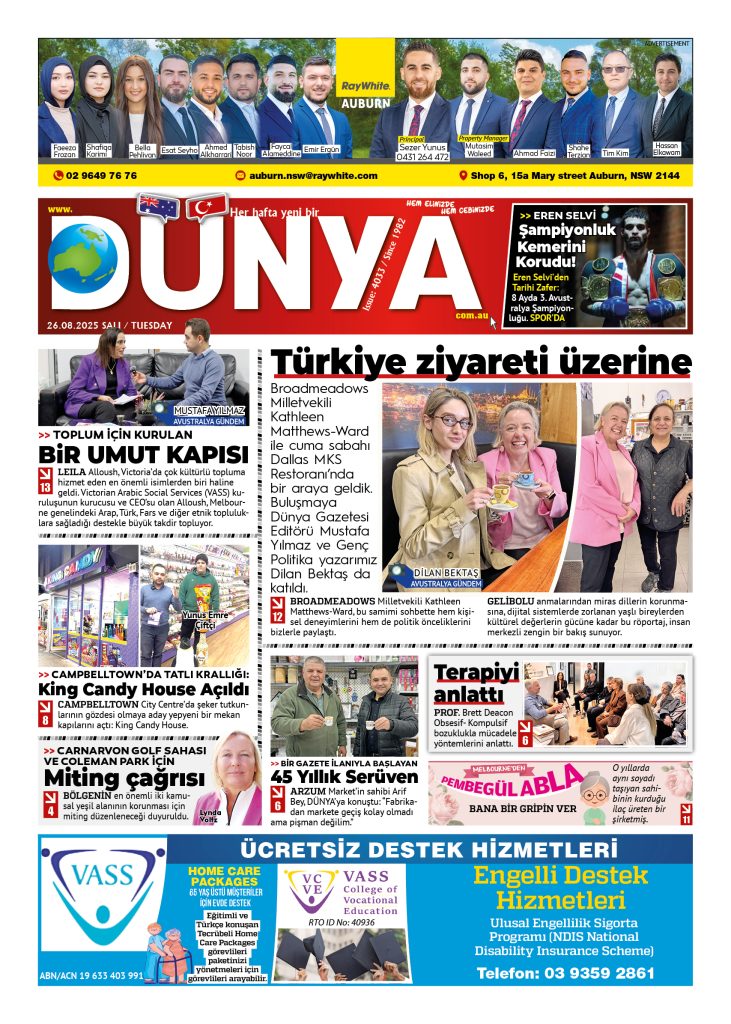
We met with Broadmeadows MP Ms Kathleen Matthews-Ward on Friday morning at Dallas MKS Restaurant. The meeting was also attended by Dünya Newspaper Editor Mustafa Yılmaz and our Young Politics columnist Dilan Bektaş. The agenda included both local issues and Ms Matthews-Ward’s recent visit to Türkiye. The interview was conducted by our young writer, Dilan Bektaş.
Her recent trip to Türkiye, multicultural communities, equal access to education, and elder rights… In this candid conversation with Broadmeadows MP Kathleen Matthews-Ward, she shares both personal reflections and political priorities. From the Gallipoli commemoration to the importance of preserving heritage languages, from the struggles of older Australians navigating digital systems to the strength of cultural values, this interview offers a rich, human-centered perspective.
Dilan Bektas: You visited Türkiye recently, in April. What were some highlights?
Kathleen MP: It was beautiful. I just loved it. We visited Gallipoli for the 110th anniversary of the landings. It was really moving. Gallipoli is such a huge part of our history. It’s where a lot of our national values such as mateship, sacrifice, duty, looking after each other, came from.
But what really stood out was how respectful the Turkish people were about it all. I loved the words from Atatürk “Your sons have become our sons.” That really stayed with me.
We also visited the Ataturk Museum. The alphabet revolution blew me away. They went from something like 8% literacy to over 90%. Just by changing the script and making it more accessible. It was a game changer for the country.
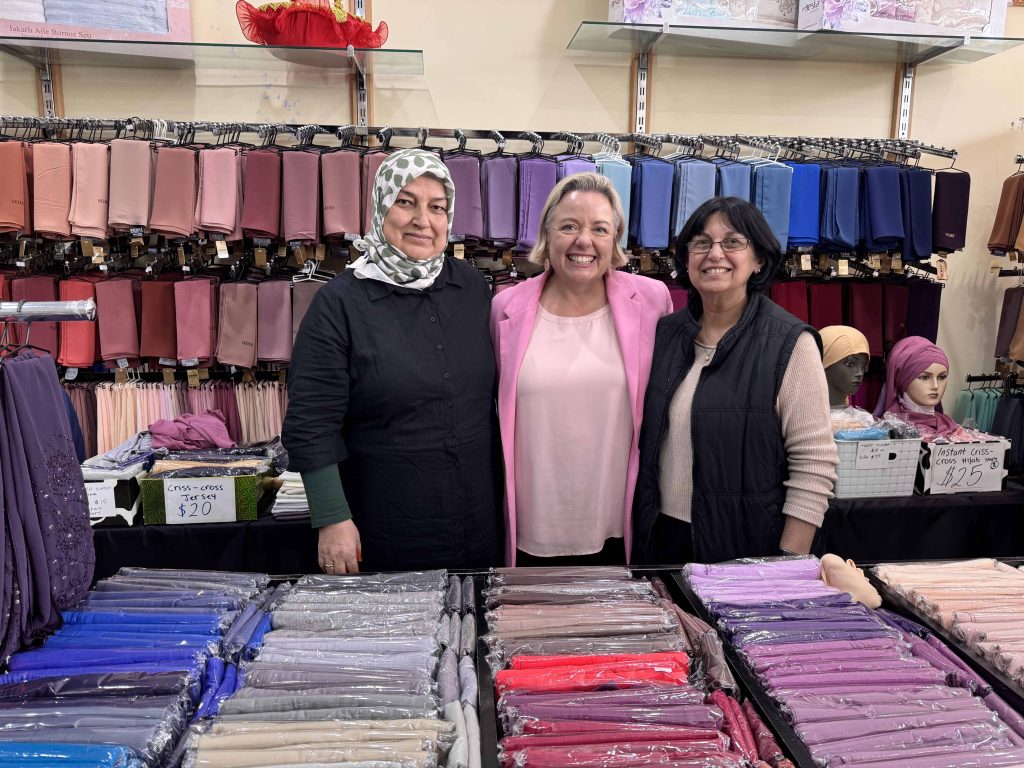
Dallas / Melbourne (Photo: Dunya)
On Education and Language
Interviewer: You’re passionate about education and languages in multicultural communities. What kind of work are you doing in that space?
Kathleen: Funny you ask, we went to a Book Week parade this morning. And honestly, I know a lot of adults now who didn’t learn their mother tongue when they were younger. Maybe it wasn’t considered cool at the time to go to Greek or Turkish school on Saturdays. But so many of them regret it now.
So, for our kids, I think we need to make sure they’re proud of speaking another language. It’s a real gift. Language connects people through stories, food, traditions. And it lets them talk to their grandparents. That’s so powerful.
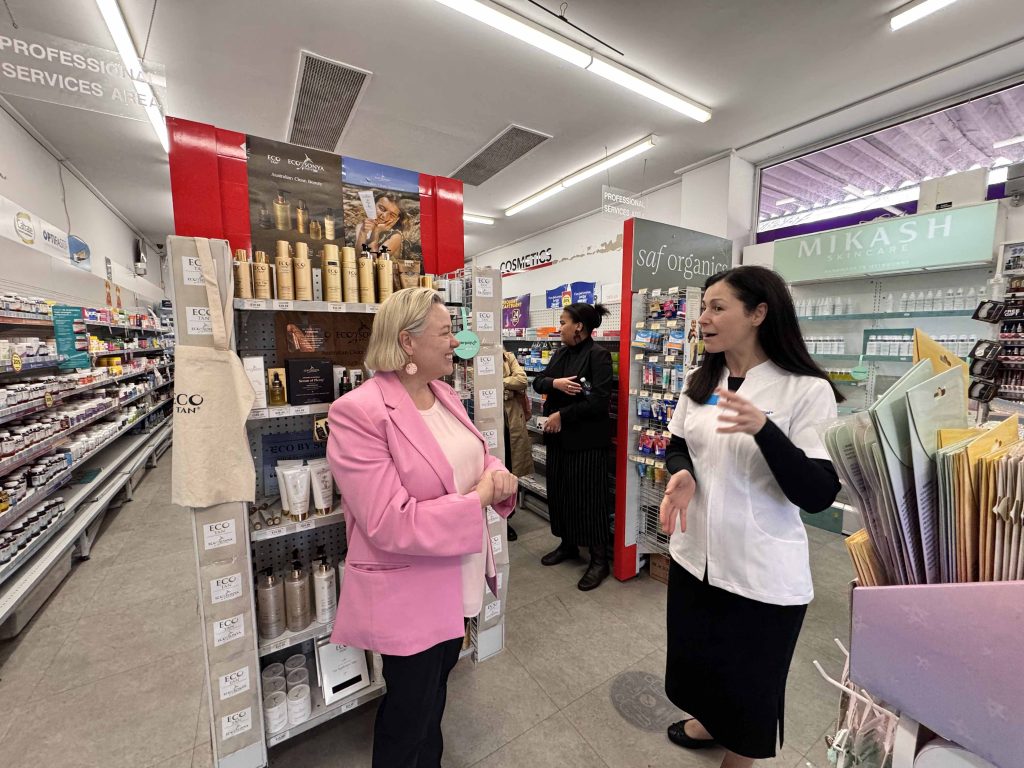
Dallas / Melbourne (Photo: Dunya)
Whenever I talk to kids I ask, “Who here speaks more than one language?” And I tell them, “That’s amazing. Don’t lose it.” And for those who don’t, I always say learning another language is such a great thing to do.
We’re also focused on making sure all kids have access to good schools, good facilities, and the support they need. That includes making the education system easier to understand for newly arrived families and helping parents get involved. Because when parents are part of their kids’ learning, it makes a huge difference.
And making sure each child gets individual support. I’m proud of the reforms we’ve made in that space. There’s more to do, but it’s a big priority for me.
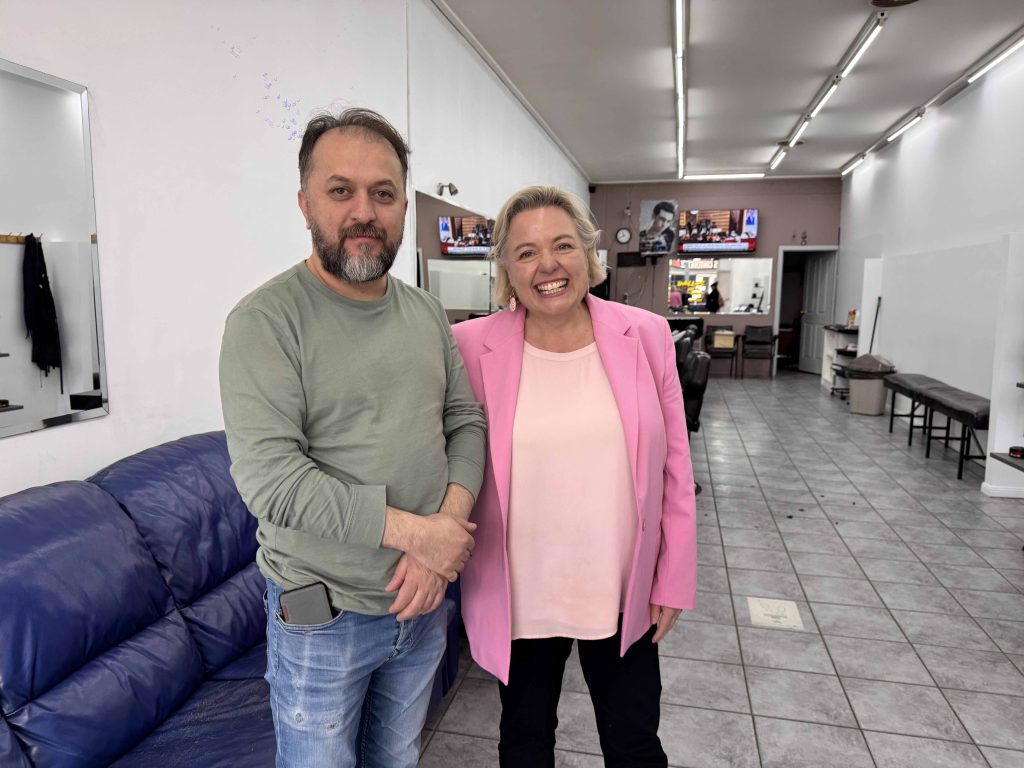
Dallas / Melbourne (Photo: Dunya)
On Turkish Culture
Interviewer: What parts of the culture really stood out to you? Food, people?
Kathleen: The food! Honestly, it’s amazing. Fresh, healthy, full of flavour. But you know what? The Turkish food we have here in Australia is just as good.
What I’ve noticed is that when communities move here, they hold onto tradition so strongly. It’s beautiful. You see it with Italians, Greeks, Turkish families and it’s like those traditions get even stronger here. And we’re lucky to benefit from that.
The people in Türkiye were just lovely. So warm and respectful. There’s a real sense of community care. I didn’t see people sleeping rough, and it felt like everyone was looking out for one another.
It’s very different from Australia, where we can be a bit more reserved. Here, we sometimes don’t want to bother anyone, out of respect. But over there, people are open, and friendly. It was refreshing.
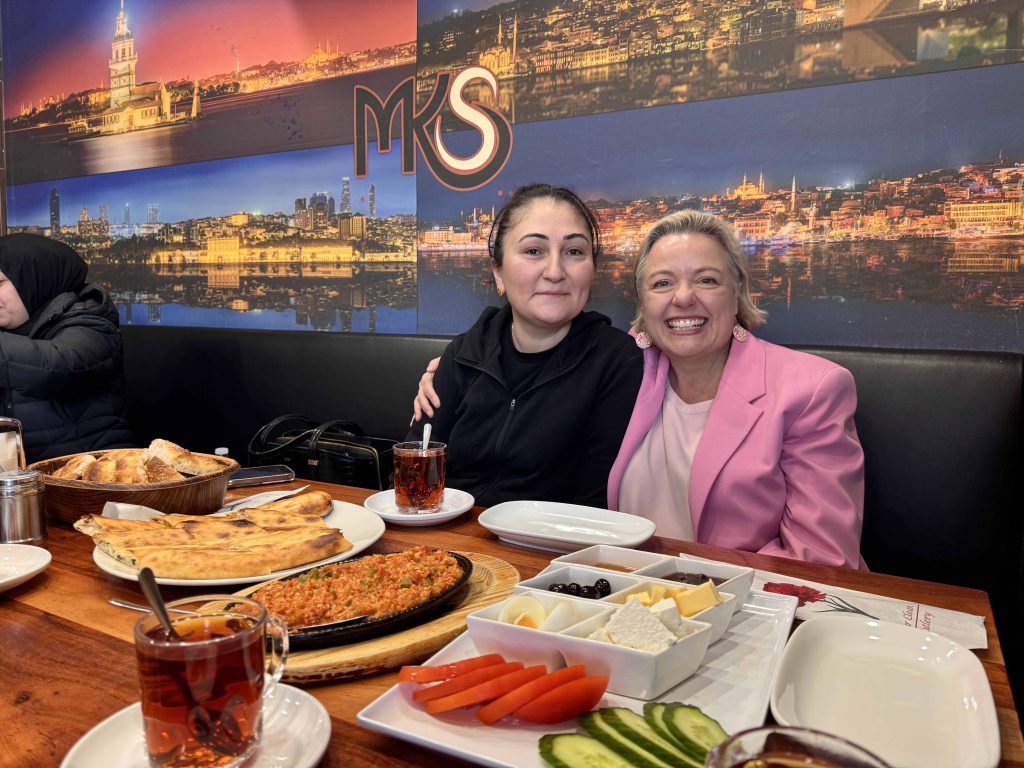
Dallas / Melbourne (Photo: Dunya)
On Growing Up in a Multicultural Area
Interviewer: How do you think growing up in this area helped shape your understanding of the community?
Kathleen: I’ve always been around different cultures, and I love that. My kids went to school with children from all over the world. Their day carer was Sri Lankan, and she used to read to them in Sinhalese. That kind of experience is such a gift.
Every culture brings something unique. Australians are warm too, but we can be a bit more reserved. When I was in Türkiye, that contrast was clear.
A lot of cultures have that strong sense of community. It reminded me of Aboriginal culture, where community is everything. I also really value how so many cultures respect their elders. I think we’ve lost that in the West, and it makes me sad.
When I was younger, we had that respect for older people. But it’s dropped off, and now I worry that many older people feel invisible. That’s not okay.
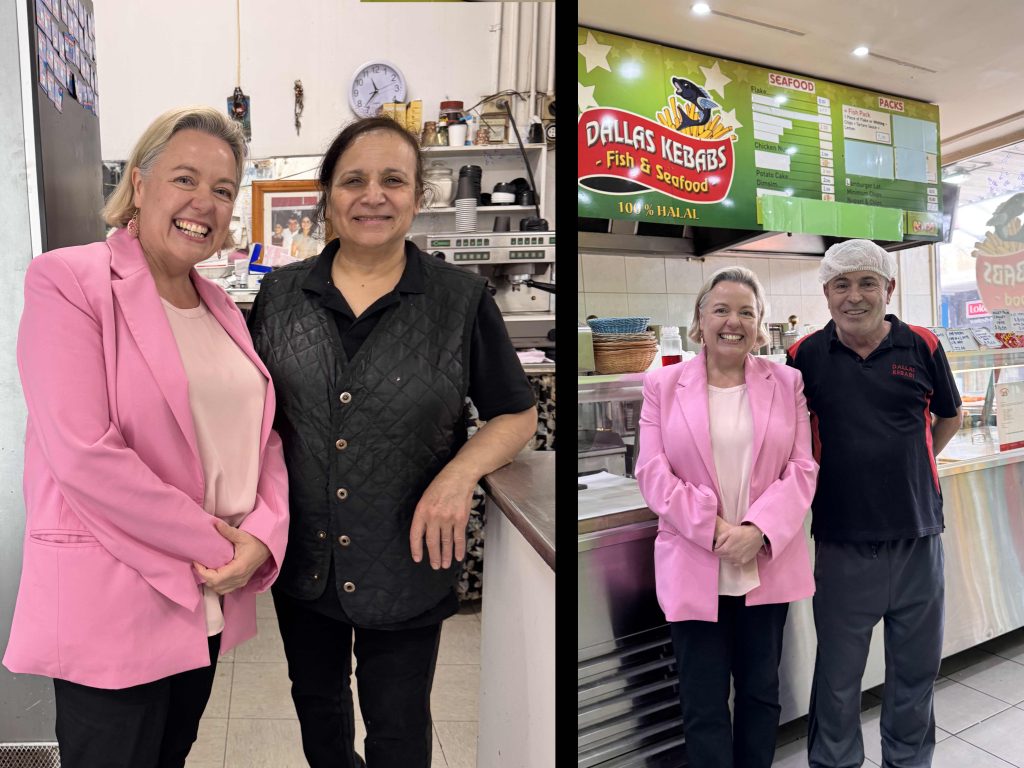
Dallas / Melbourne (Photo: Dunya)
On Elder Rights and the System
Interviewer: You’ve touched on something important. The elderly are being left behind, especially those who aren’t online.
Kathleen: Absolutely. There’s real discrimination against older people, especially those who aren’t tech savvy. Everything’s online now, and we just expect everyone to figure it out. But what if you’ve never used a computer.
Having to rely on others to do basic things. That can lead to financial and abuse, or just a loss of independence.
My Aged Care does offer great support, and you can call and get help in your own language, which is good. But finding the right services is still hard.
And when people are forced to choose between private providers, it’s confusing. Some are great, but there are also less reliable ones. Vulnerable people, whether it’s kids, people with disabilities, or older Australians, shouldn’t be left to navigate that kind of system alone.
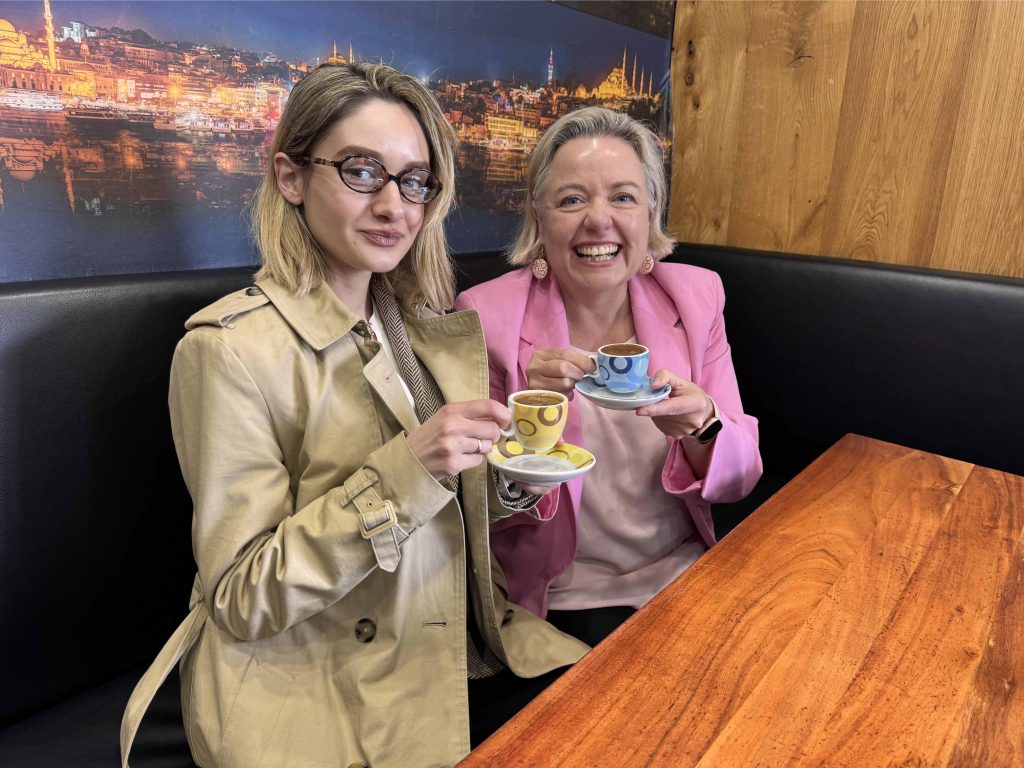
Dallas / Melbourne (Photo: Dunya)
Interviewer: Even 15 years ago, it was easier to get help. Now, people just don’t know where to go.
Kathleen: Exactly. It used to be simple. You’d just go to council, and they’d help. Now, it’s a maze. Compared to some places, we are lucky. But that doesn’t mean the system is easy to navigate. We’ve got work to do.
Interviewer: Thank you so much for your time and for sharing your insights.
Kathleen: No worries at all. Thanks for having me!
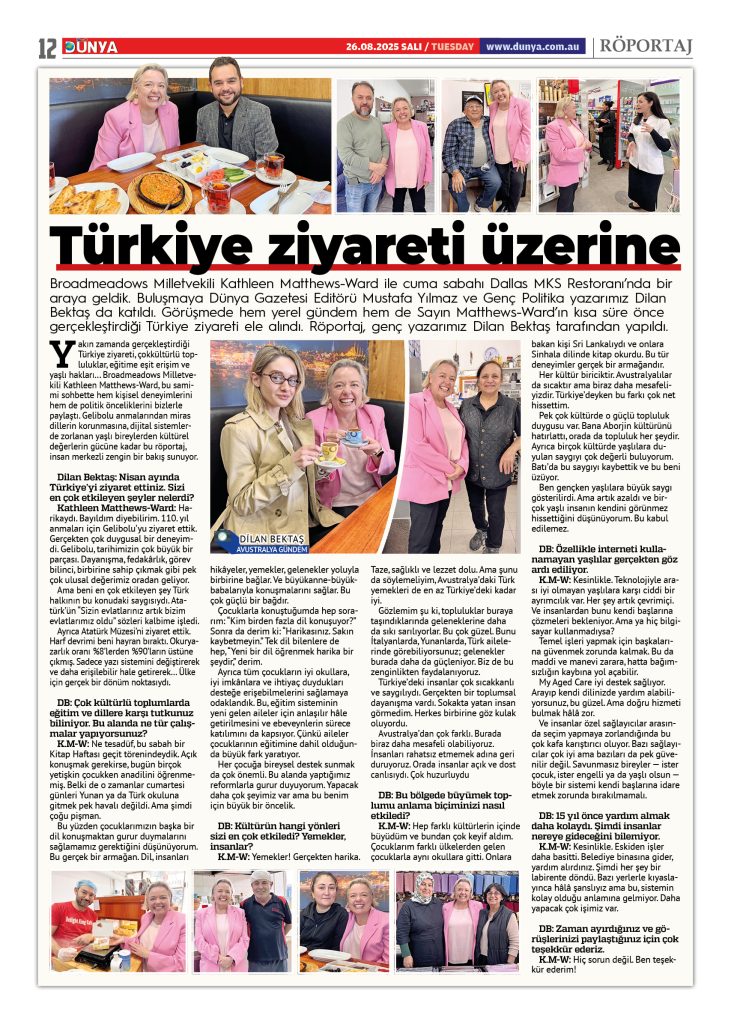
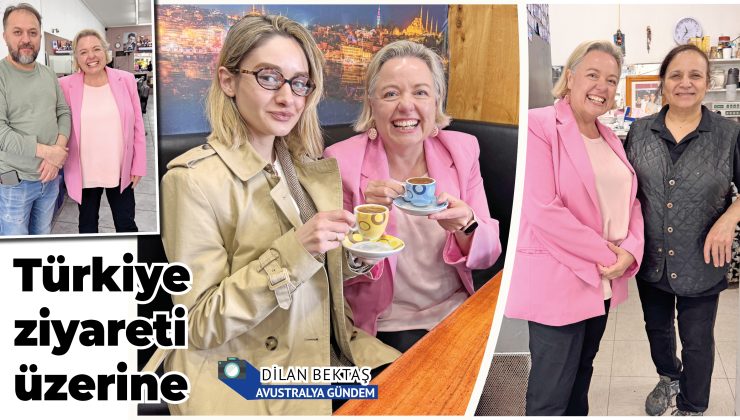 News
News
Yakın zamanda gerçekleştirdiği Türkiye ziyareti, çokkültürlü topluluklar, eğitime eşit erişim ve yaşlı hakları… Broadmeadows Milletvekili Kathleen Matthews-Ward, bu samimi sohbette hem kişisel deneyimlerini hem de politik önceliklerini bizlerle paylaştı. Gelibolu anmalarından miras dillerin korunmasına, dijital sistemlerde zorlanan yaşlı bireylerden kültürel değerlerin gücüne kadar bu röportaj, insan merkezli zengin bir bakış sunuyor.
Dilan Bektaş: Nisan ayında Türkiye’yi ziyaret ettiniz. Sizi en çok etkileyen şeyler nelerdi?
Kathleen Matthews-Ward: Harikaydı. Bayıldım diyebilirim. 110. yıl anmaları için Gelibolu’yu ziyaret ettik. Gerçekten çok duygusal bir deneyimdi. Gelibolu, tarihimizin çok büyük bir parçası. Dayanışma, fedakârlık, görev bilinci, birbirine sahip çıkmak gibi pek çok ulusal değerimiz oradan geliyor.
Ama beni en çok etkileyen şey Türk halkının bu konudaki saygısıydı. Atatürk’ün “Sizin evlatlarınız artık bizim evlatlarımız oldu” sözleri kalbime işledi.
Ayrıca Atatürk Müzesi’ni ziyaret ettik. Harf devrimi beni hayran bıraktı. Okuryazarlık oranı %8’lerden %90’ların üstüne çıkmış. Sadece yazı sistemini değiştirerek ve daha erişilebilir hale getirerek… Ülke için gerçek bir dönüm noktasıydı.
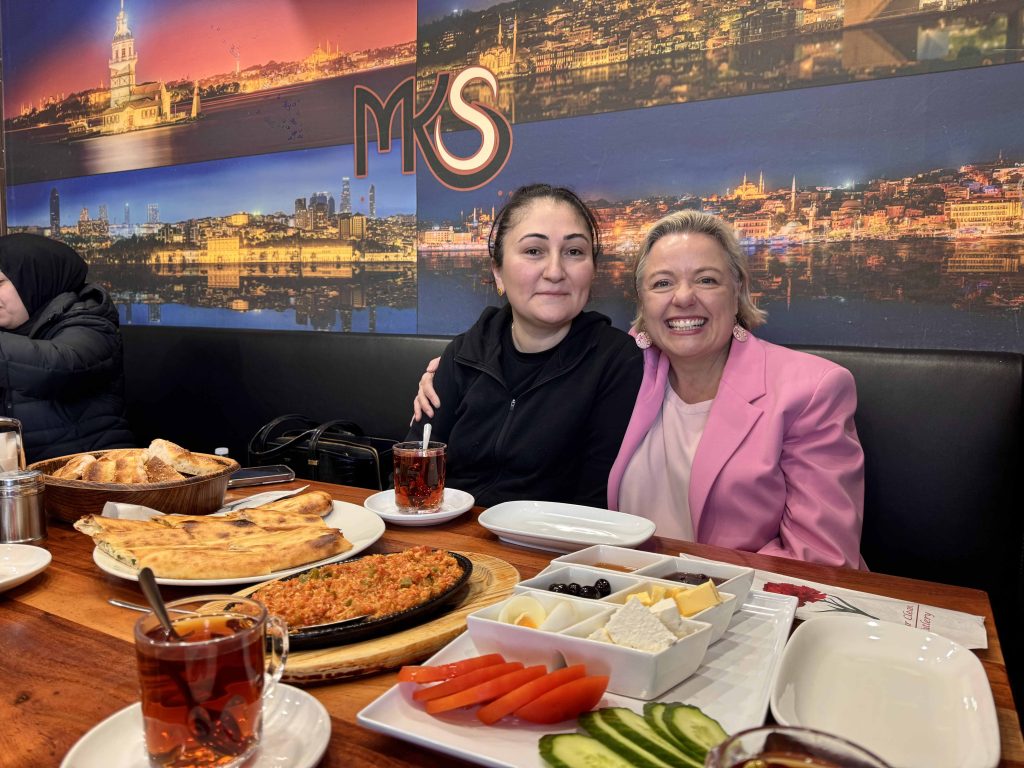
Dallas / Melbourne (Photo: Dunya)
DB: Çok kültürlü toplumlarda eğitim ve dillere karşı tutkunuz biliniyor. Bu alanda ne tür çalışmalar yapıyorsunuz?
K.M-W: Ne tesadüf, bu sabah bir Kitap Haftası geçit törenindeydik. Açık konuşmak gerekirse, bugün birçok yetişkin çocukken anadilini öğrenmemiş. Belki de o zamanlar cumartesi günleri Yunan ya da Türk okuluna gitmek pek havalı değildi. Ama şimdi çoğu pişman.
Bu yüzden çocuklarımızın başka bir dil konuşmaktan gurur duymalarını sağlamamız gerektiğini düşünüyorum. Bu gerçek bir armağan. Dil, insanları hikâyeler, yemekler, gelenekler yoluyla birbirine bağlar. Ve büyükanne-büyükbabalarıyla konuşmalarını sağlar. Bu çok güçlü bir bağdır.
Çocuklarla konuştuğumda hep sorarım: “Kim birden fazla dil konuşuyor?” Sonra da derim ki: “Harikasınız. Sakın kaybetmeyin.” Tek dil bilenlere de hep, “Yeni bir dil öğrenmek harika bir şeydir,” derim.
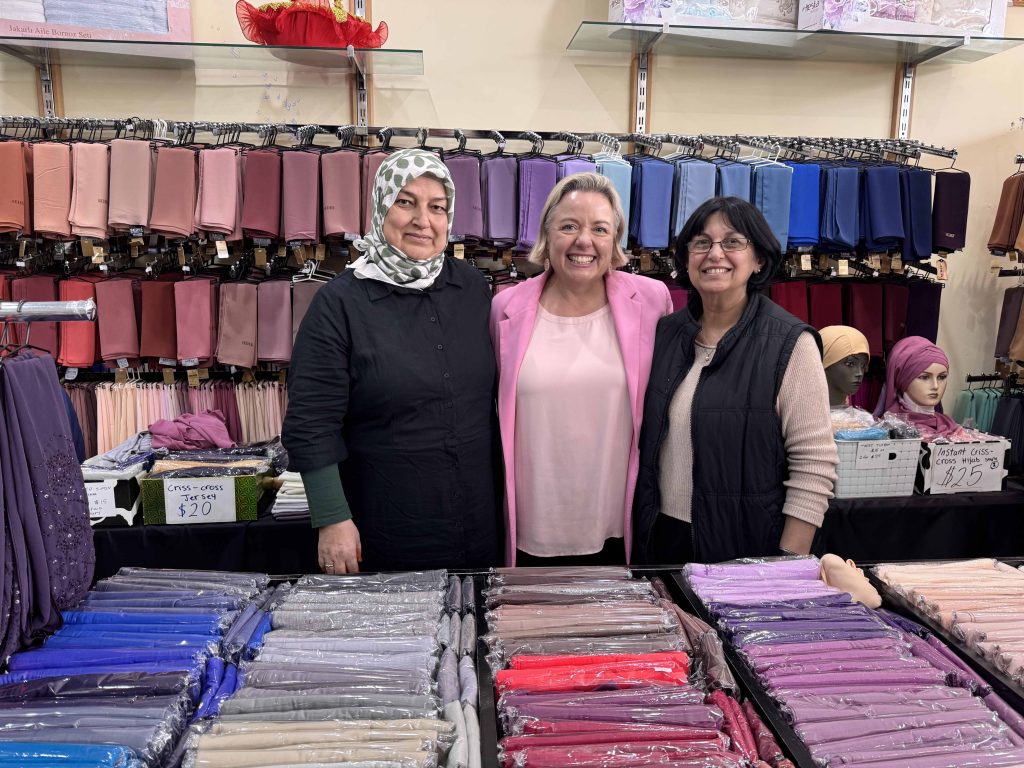
Dallas / Melbourne (Photo: Dunya)
Ayrıca tüm çocukların iyi okullara, iyi imkânlara ve ihtiyaç duydukları desteğe erişebilmelerini sağlamaya odaklandık. Bu, eğitim sisteminin yeni gelen aileler için anlaşılır hâle getirilmesini ve ebeveynlerin sürece katılımını da kapsıyor. Çünkü aileler çocuklarının eğitimine dahil olduğunda büyük fark yaratıyor.
Her çocuğa bireysel destek sunmak da çok önemli. Bu alanda yaptığımız reformlarla gurur duyuyorum. Yapacak daha çok şeyimiz var ama bu benim için büyük bir öncelik.
DB: Kültürün hangi yönleri sizi en çok etkiledi? Yemekler, insanlar?
K.M-W: Yemekler! Gerçekten harika. Taze, sağlıklı ve lezzet dolu. Ama şunu da söylemeliyim, Avustralya’daki Türk yemekleri de en az Türkiye’deki kadar iyi.
Gözlemim şu ki, topluluklar buraya taşındıklarında geleneklerine daha da sıkı sarılıyorlar. Bu çok güzel. Bunu İtalyanlarda, Yunanlarda, Türk ailelerinde görebiliyorsunuz; gelenekler burada daha da güçleniyor. Biz de bu zenginlikten faydalanıyoruz.
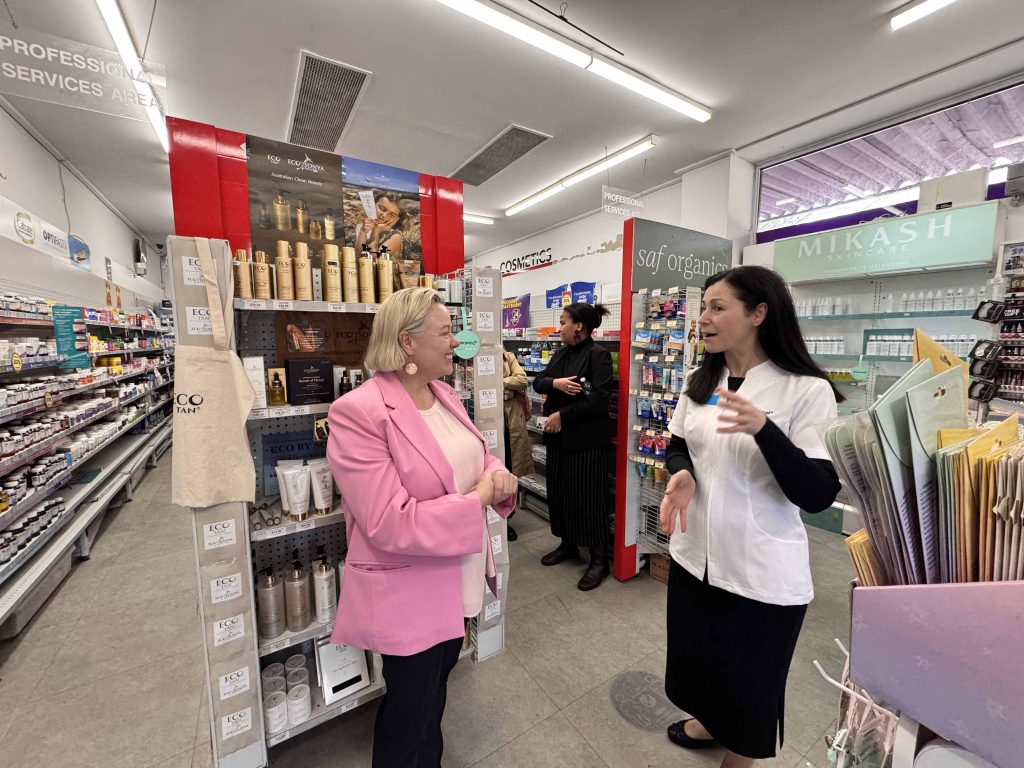
Dallas / Melbourne (Photo: Dunya)
Türkiye’deki insanlar çok sıcakkanlı ve saygılıydı. Gerçekten bir toplumsal dayanışma vardı. Sokakta yatan insan görmedim. Herkes birbirine göz kulak oluyordu.
Avustralya’dan çok farklı. Burada biraz daha mesafeli olabiliyoruz. İnsanları rahatsız etmemek adına geri duruyoruz. Orada insanlar açık ve dost canlısıydı. Çok huzurluydu.
DB: Bu bölgede büyümek toplumu anlama biçiminizi nasıl etkiledi?
K.M-W: Hep farklı kültürlerin içinde büyüdüm ve bundan çok keyif aldım. Çocuklarım farklı ülkelerden gelen çocuklarla aynı okullara gitti. Onlara bakan kişi Sri Lankalıydı ve onlara Sinhala dilinde kitap okurdu. Bu tür deneyimler gerçek bir armağandır.
Her kültür biriciktir. Avustralyalılar da sıcaktır ama biraz daha mesafeliyizdir. Türkiye’deyken bu farkı çok net hissettim.
Pek çok kültürde o güçlü topluluk duygusu var. Bana Aborjin kültürünü hatırlattı, orada da topluluk her şeydir. Ayrıca birçok kültürde yaşlılara duyulan saygıyı çok değerli buluyorum. Batı’da bu saygıyı kaybettik ve bu beni üzüyor.
Ben gençken yaşlılara büyük saygı gösterilirdi. Ama artık azaldı ve birçok yaşlı insanın kendini görünmez hissettiğini düşünüyorum. Bu kabul edilemez.
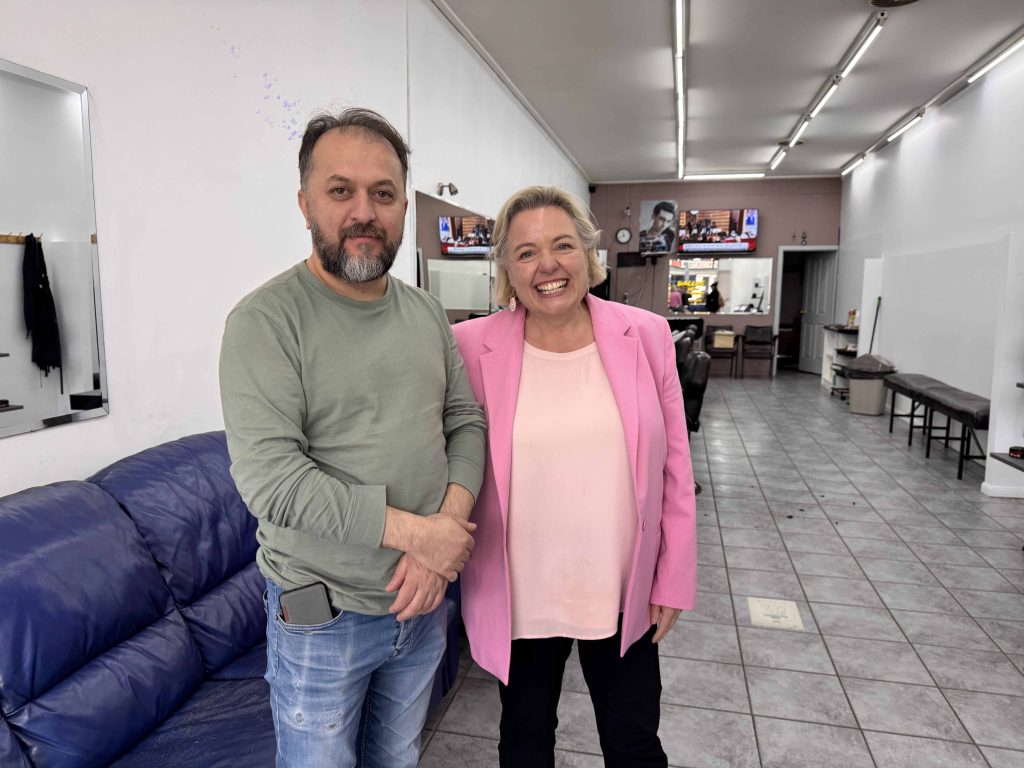
Dallas / Melbourne (Photo: Dunya)
DB: Özellikle interneti kullanamayan yaşlılar gerçekten göz ardı ediliyor.
K.M-W: Kesinlikle. Teknolojiyle arası iyi olmayan yaşlılara karşı ciddi bir ayrımcılık var. Her şey artık çevrimiçi. Ve insanlardan bunu kendi başlarına çözmeleri bekleniyor. Ama ya hiç bilgisayar kullanmadıysa?
Temel işleri yapmak için başkalarına güvenmek zorunda kalmak. Bu da maddi ve manevi zarara, hatta bağımsızlığın kaybına yol açabilir.
My Aged Care iyi destek sağlıyor. Arayıp kendi dilinizde yardım alabiliyorsunuz, bu güzel. Ama doğru hizmeti bulmak hala zor.
Ve insanlar özel sağlayıcılar arasında seçim yapmaya zorlandığında bu çok kafa karıştırıcı oluyor. Bazı sağlayıcılar çok iyi ama bazıları da pek güvenilir değil. Savunmasız bireyler — ister çocuk, ister engelli ya da yaşlı olsun — böyle bir sistemi kendi başlarına idare etmek zorunda bırakılmamalı.
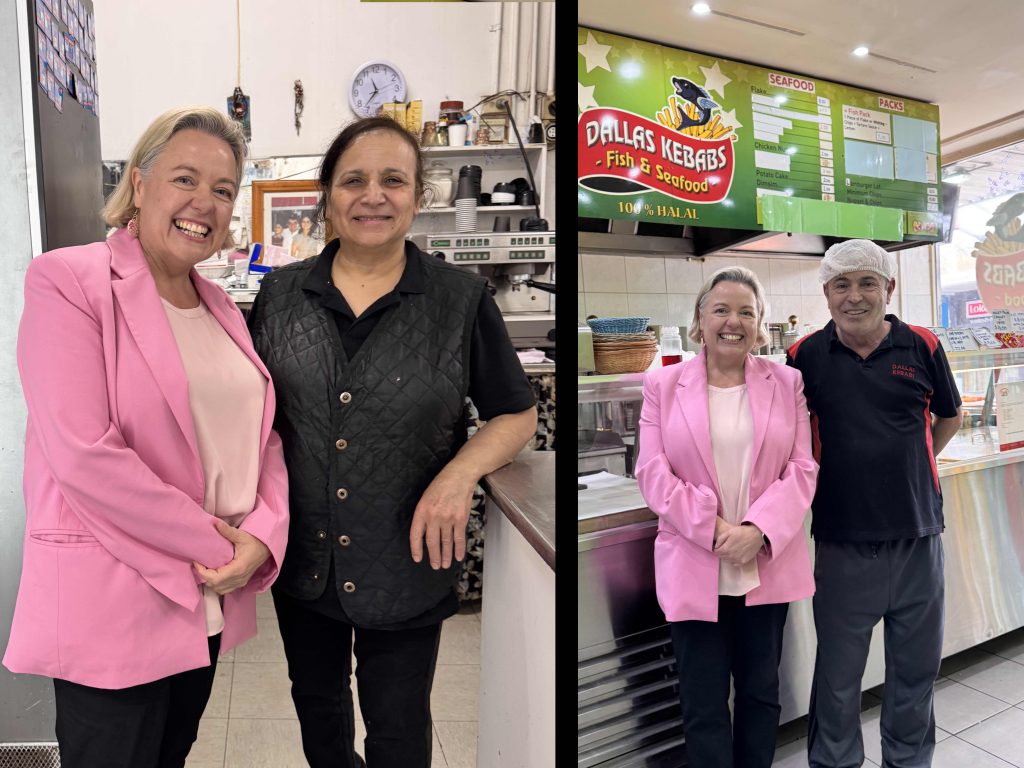
Dallas / Melbourne (Photo: Dunya)
DB: 15 yıl önce yardım almak daha kolaydı. Şimdi insanlar nereye gideceğini bilemiyor.
K.M-W: Kesinlikle. Eskiden işler daha basitti. Belediye binasına gider, yardım alırdınız. Şimdi her şey bir labirente döndü. Bazı yerlerle kıyaslayınca hâlâ şanslıyız ama bu, sistemin kolay olduğu anlamına gelmiyor. Daha yapacak çok işimiz var.
DB: Zaman ayırdığınız ve görüşlerinizi paylaştığınız için çok teşekkür ederiz.
K.M-W: Hiç sorun değil. Ben teşekkür ederim!